
Widyatama University is once again making a breakthrough in the field of agriculture, namely in the development of organic rice. They are ready to collaborate with the Sumedang Regency Government.
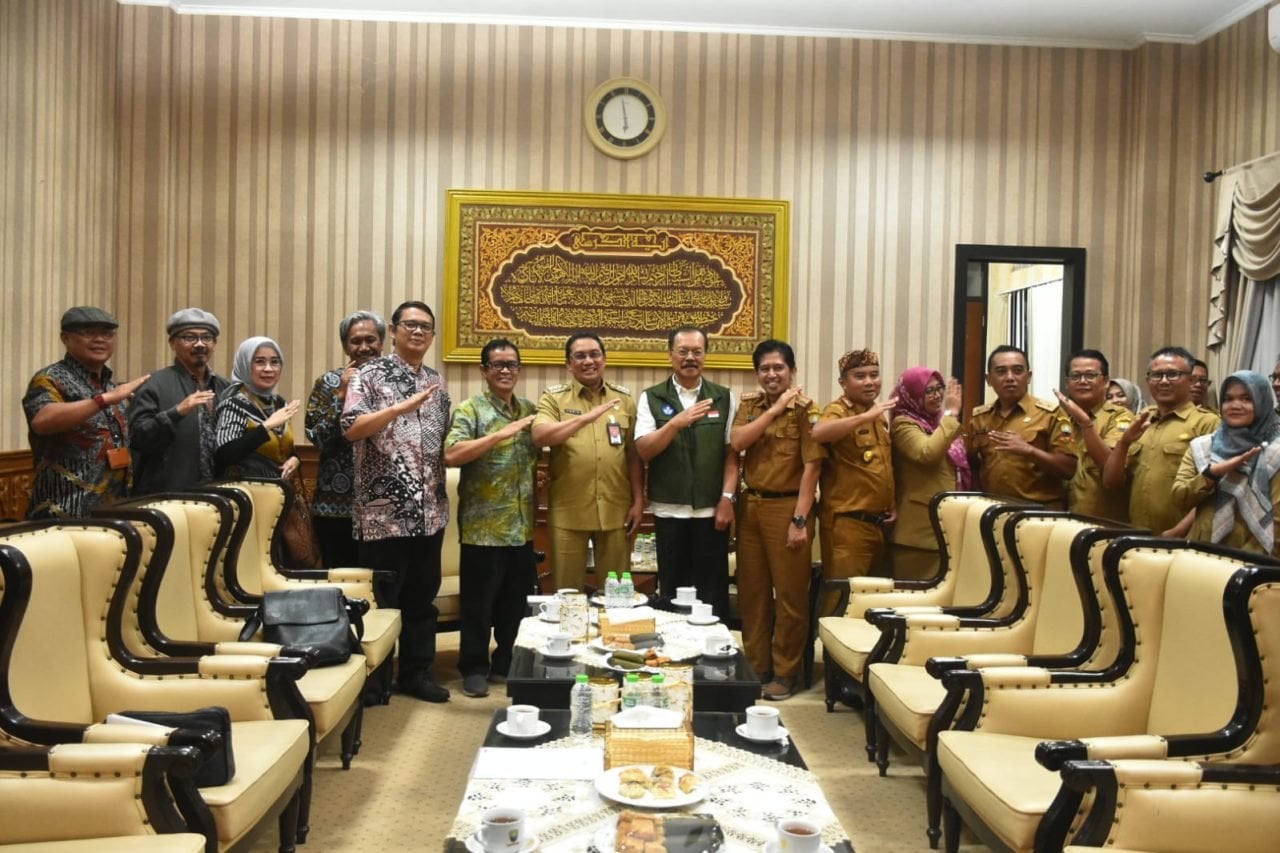
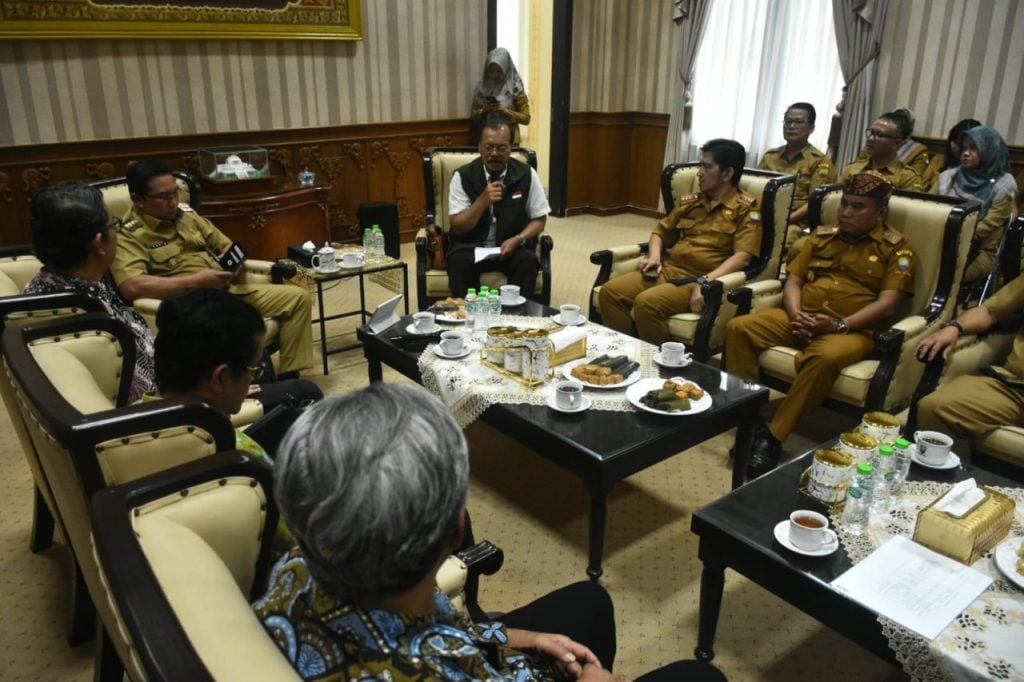
This information was conveyed directly by the Rector of Widyatama University, Prof. Dr. Dadang Suganda, when he met with the Acting Regent of Sumedang, Yudia Ramli, on Monday (03/06/2024) yesterday in the Regent’s Office.
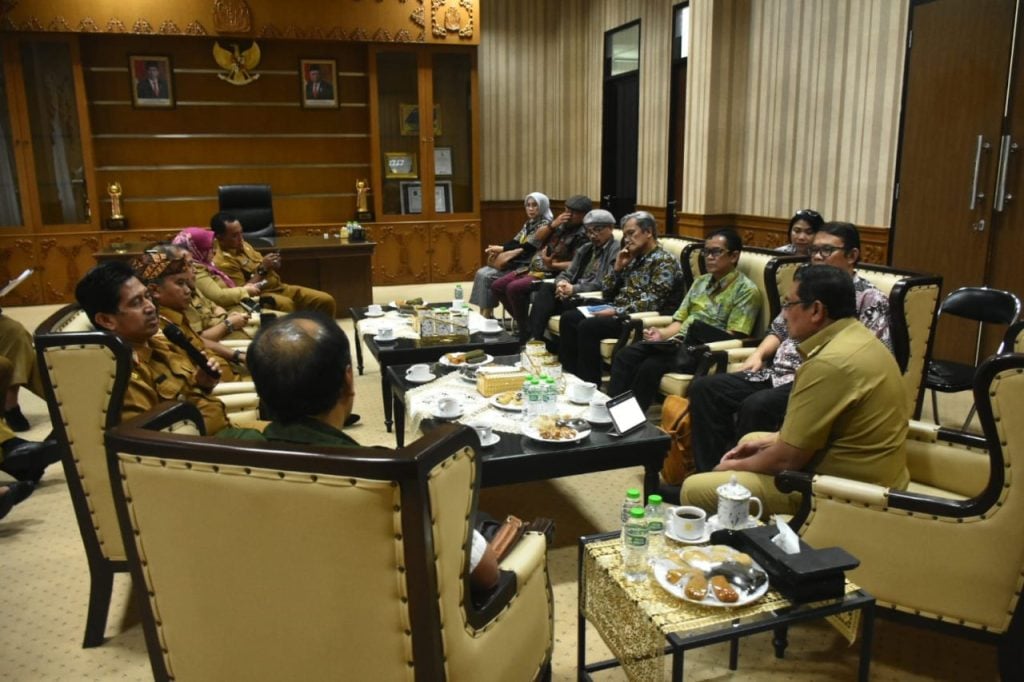
On this occasion, Prof. Dadang revealed that organic rice cultivation activities will be centered in Cikurubuk Village, Buahdua District. This village has an area of 630.80 hectares, 63.60% of which is agricultural land. It is located at the foot of Mount Tampomas and has many springs, making it very potential for organic rice development.
“Cikurubuk Village has great potential in organic farming, which can support the welfare of farmers and preserve the environment,” said Prof. Dadang optimistically.
According to Prof. Dadang, his party aims to help improve the welfare of farmers by carrying out one of the three pillars of higher education, namely Community Service.
The objective of this program is to improve the welfare of farmers in Cikurubuk Village, Sumedang Regency, through the management and development of organic rice production that can compete in the global market “We aim to improve the welfare of farmers by producing organic rice that is competitive in the global market,” added Prof. Dadang.
Widyatama University, in implementing the Tri Darma Perguruan Tinggi (Three Pillars of Higher Education), refers to the Sustainable Development Goals (SDGs) established by the United Nations (UN) and adopted by all UN member states. There are seventeen goals set out in the SDGs.
The seventeen SDGs are: (1) No Poverty; (2) Zero Hunger; (3) Good Health and Well-being; (4) Quality Education; (5) Gender Equality; (6) Clean Water and Sanitation; (7) Affordable and Clean Energy; (8) Decent Work and Economic Growth; and (9) Industry, Innovation, and Infrastructure.
Then (10) Reduced Inequalities; (11) Sustainable Cities and Communities; (12) Responsible Consumption and Production; (13) Climate Action; (14) Life Below Water; (15) Life on Land; (16) Peace, Justice, and Strong Institutions; and (17) Partnerships for the Goals.
To facilitate implementation, the 17 SDGs are grouped into four pillars, namely 1) The social development pillar, which includes Goals 1, 2, 3, 4, and 5; 2) The economic development pillar, which includes Goals 7, 8, 9, 10, and 17; 3) The environmental development pillar, covering Goals 6, 11, 12, 13, 14, and 15, and 4) The legal and governance development pillar, covering Goal 16.
Based on data, Cikurubuk Village has ten springs scattered across various areas, namely Ciembutan Spring, Cijolang Spring, Solokan Leutik Spring, Sawah Cijolang Spring, Ingkar Spring, Cikurubuk Spring, Cijaha Spring, Ciakar Spring, and Cigempol Spring. The existence of these abundant water sources certainly has great potential for development in various fields, such as agriculture, fisheries, and tourism.
Prof. Dadang said that this project could produce high-quality organic rice, as well as various processed products that are in demand in local, regional, and international markets. The entire production process will follow organic certification to meet international standards.
“We will support post-harvest processes such as product curation, packaging, promotion, marketing, and sales,” said Prof. Dadang.
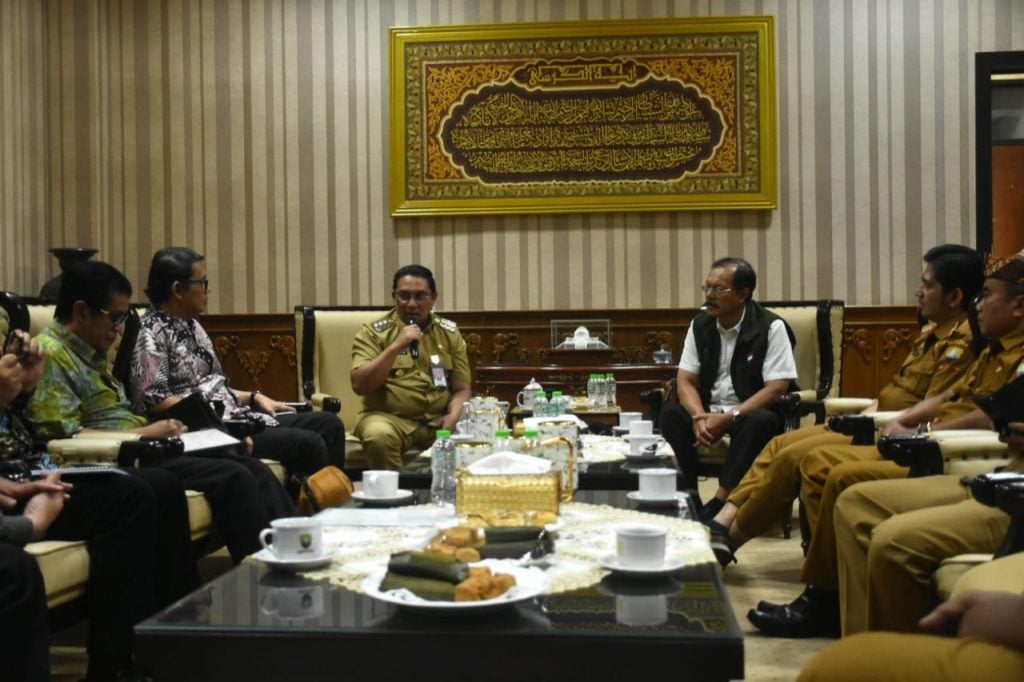
The Rector of Widyatama University said that it is possible that his party will be involved in the pre-production process, such as the development of superior seeds and organic fertilizers.
In his speech, the Acting Regent of Sumedang Regency, Yudia Ramli, welcomed the initiative. His party greatly appreciated and fully supported Prof. Dadang’s call for collaboration.
“We greatly appreciate and fully support this effort to develop organic farming. This is very good and we will support its development,” said Yudia Ramli.
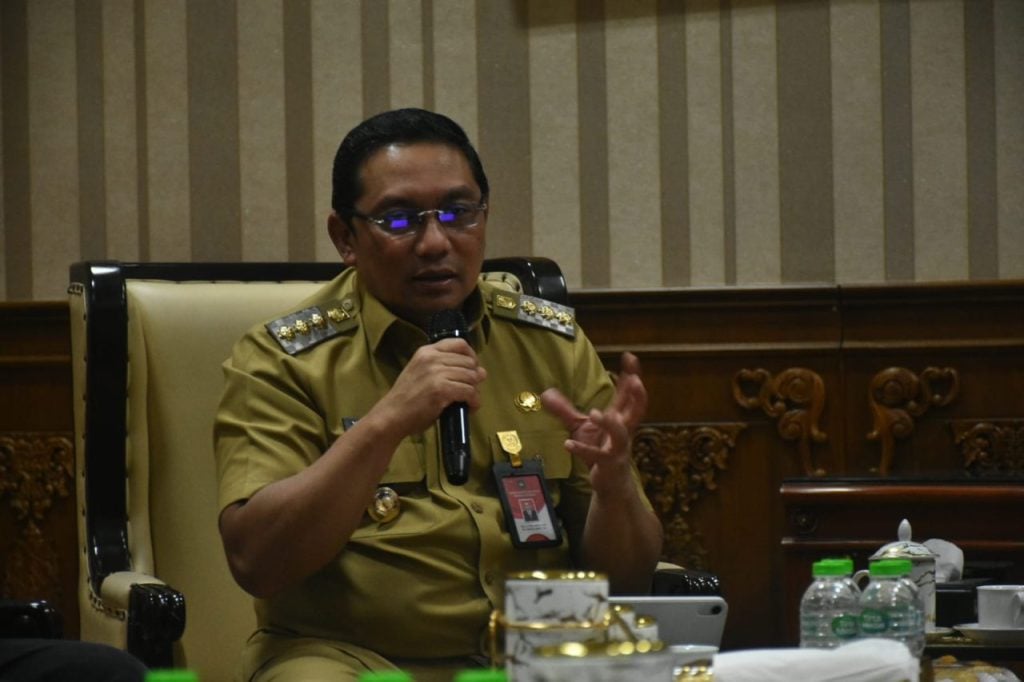
The Deputy Regent of Sumedang Regency said that organic farming is not only healthy, but also has high economic value with higher selling prices compared to conventional agricultural products.
“With this collaboration, I am confident that Sumedang can succeed in developing organic rice in Cikurubuk Buahdua Village,” concluded Yudia optimistically and confidently.
The meeting between the Rector of Widyatama University and the Acting Regent of Sumedang Regency proceeded smoothly and cordially, attended by officials from both institutions.