

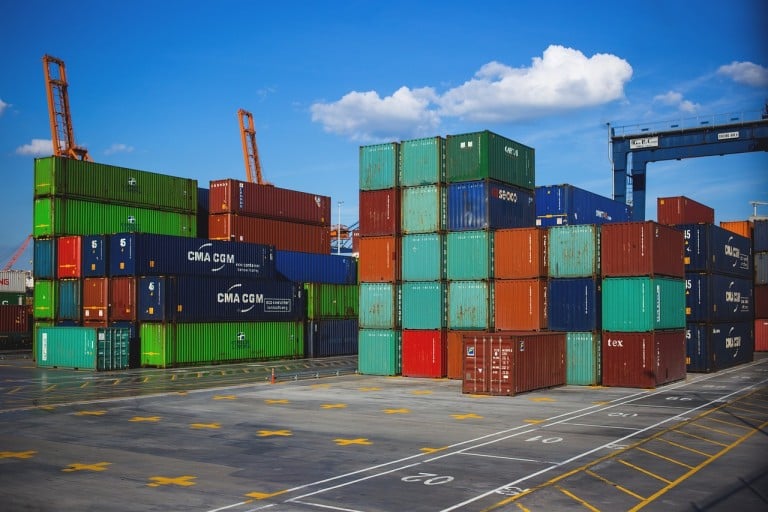
Reported by Industry.co.id (24/1) – Various parties involved in the logistics sector have given positive assessments of the development of Indonesia’s logistics business and performance in 2016. This is reflected in the fact that 59.1% stated that the development of Indonesia’s logistics business in 2016 was better than in 2015.
The development of the logistics business in Indonesia followed the development of the domestic economy, which showed improved performance. As mentioned in the Bank Indonesia Monetary Policy report in December 2016, consumption grew quite strongly, supported by purchasing power related to low inflation.
“Investment, especially in buildings, grew quite strongly, supported by ongoing government infrastructure projects, although private investment is still stagnant,” said Setiadji, Chairman of Supply Chain Indonesia, in a short message to industry.co.id in Jakarta (24/1/2017).
Setiadji added that exports began to improve in the fourth quarter of 2016, supported by improvements across all sectors, including agriculture, fuel, mining, and manufacturing.
Optimism among industry players and related parties is quite high regarding the development of the logistics sector in 2017. Logistics service providers are optimistic because the size of the potential market and the growth of the logistics sector in Indonesia offer great opportunities. Innovation and improvement in service quality, as well as collaboration between parties in the logistics system, are important strategies in increasing the competitiveness of logistics service providers in Indonesia.
Meanwhile, logistics service users are quite optimistic about developing their businesses through market expansion and broader services, supported by an increasingly efficient logistics system.
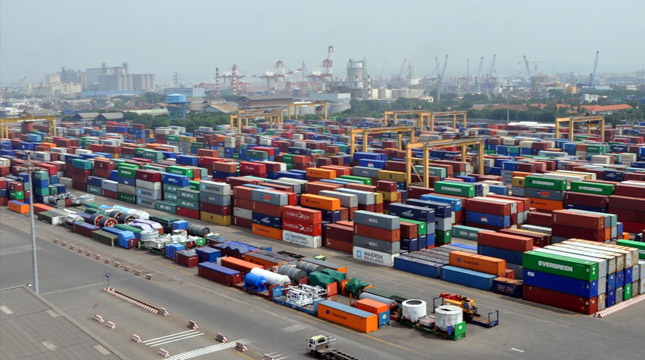
In response to the growing momentum of the logistics industry, which is showing positive trends and increasing market demand, the availability of human resources needs to be given special attention. Synergy between the government, business actors, the education sector, and the community also needs to be improved. The government, which has a decisive role in determining export and import regulations, has provided good support to business actors in running their businesses, while the education sector needs to continue to produce workers and young entrepreneurs in the logistics industry. Of course, this must be accompanied by education for the community about the importance of the logistics industry in almost all business processes.
The logistics industry is part of Supply Chain Management, which is the management of processes ranging from purchasing, procurement, planning, productive capacity, supply planning, and demand planning to meet market demand.
Widyatama University, as a higher education institution, has a study program that focuses on Supply Chain Management, namely the Bachelor of Industrial Engineering program. Equipped with the LOGIC Study Center, which focuses on studies in the fields of Logistics and Supply Chain Management, there are also ERP or Enterprise Resource Planning facilities, which cover various planning activities from purchasing, procurement, planning, productive capacity, supply planning, and demand planning.
The Bachelor of Industrial Engineering program at Widyatama University is ready to produce skilled workers for various positions, including Production/Operator Planner, Quality Assurance, Logistics & Inventory Planner, ERP Support, and Purchasing Planner. In addition to skilled workers, the Industrial Engineering program also prepares students for opportunities as young entrepreneurs in the field of Supply Chain Management to meet the growing demand of the business market.