

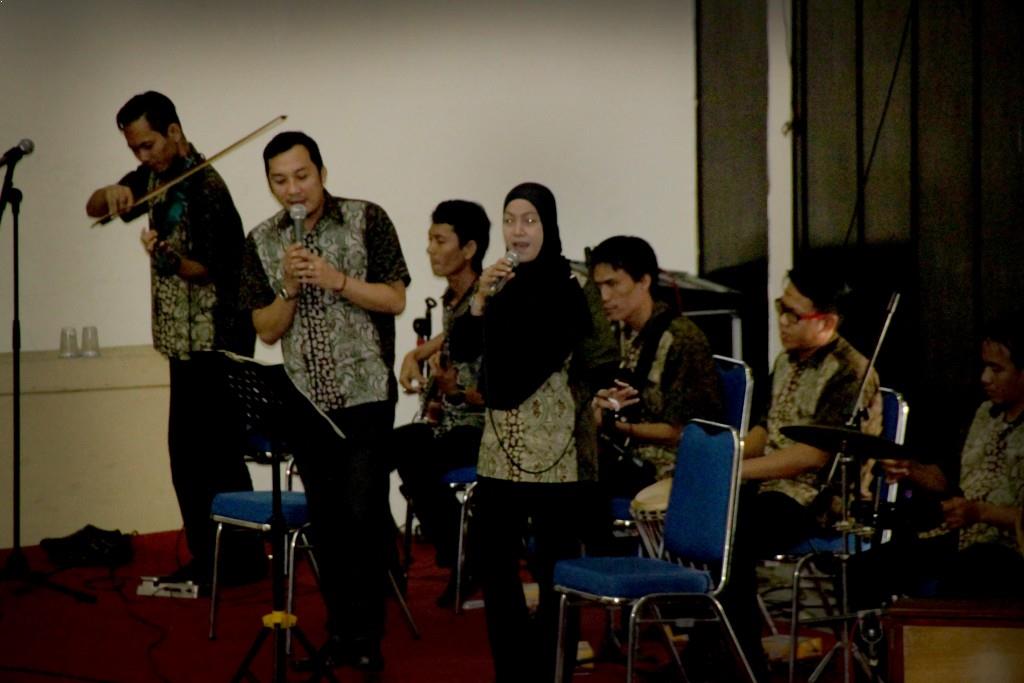
PPU Event
The relationship between drugs and today’s young generation is very close. This means that there are many cases of drug addiction and distribution involving young people, especially school and out-of-school teenagers (dropouts). It is not uncommon for drugs to be smuggled among young people very neatly. To date, the spread of drugs is almost impossible to prevent. Of course, this can cause parents, community organizations, and the government to worry about the rampant spread of drugs. Efforts to eradicate drugs have often been made, but there is still little chance of preventing drugs from reaching teenagers and adults, and even many elementary and junior high school children have fallen into drug abuse.
“To date, the most effective effort to prevent drug abuse among children is through family education.
Parents are expected to supervise and educate their children to always stay away from drugs,” said Aishah (08/28/14) at the Widyatama University PPU event with the theme Global Action for Health Without Drugs. At the event, drug prevention education was provided through seminars and theater performances reconstructing the world of addiction, performed by former drug users.
Adolescence is a phase of development between childhood and adulthood. A person’s development during childhood and adolescence will shape their development in adulthood. Therefore, if childhood and adolescence are ruined by drugs, their future will be bleak or even destroyed.
During adolescence, the desire to experiment, follow trends and lifestyles, and have fun is very strong. Although all these tendencies are normal, they can also make it easier for adolescents to be driven to abuse drugs. Data shows that the largest number of drug users are in the adolescent age group.
The problem becomes even more serious when, due to drug use, adolescents contract and transmit HIV/AIDS among other adolescents. This has been proven by the sharing of needles for drug use. This nation will lose a large number of adolescents due to drug abuse and the spread of HIV/AIDS. Losing adolescents is equivalent to losing human resources for the nation. The growth in the number of addicts is determined by two factors, namely internal factors, which include: interest, curiosity, weak religious beliefs, emotional instability; and external factors, which include: family psychosocial disorders, weak laws against drug dealers and users, a weak school system in terms of moral education, including counseling, and a lack of religious education from an early age.