The competitive environment and rapid development of the industrial world require education to contribute to the production of superior and competitive human resources. Education is considered a basic need that must be fulfilled by society. One indicator of a nation’s progress is determined by its human resource development index, which is the result of a quality education process.
At a plenary cabinet meeting in early 2017, President Jokowi gave directions to revitalize vocational education by providing broad access for the community to acquire skills and changing the existing curriculum to an industry-based curriculum, as well as preparing human resources who are professionals in their fields. The hope is that all institutions that provide vocational education will receive priority and support for their development and quality improvement, so as to produce high-quality graduates.
The government has issued Presidential Regulation No. 12 of 2012 concerning Higher Education in the Context of Improving the Quality and Competitiveness of Indonesian Human Resources. Through the Ministry of Research, Technology and Higher Education (Kemenristekdikti), the government is making fundamental changes to vocational education through a vocational higher education revitalization program. This program aims to increase the relevance of vocational education to the needs of the industries that employ its graduates. Access to existing vocational education must be expanded, providing all citizens with greater opportunities to acquire skills through vocational education.
Based on Higher Education Law No. 12 of 2012 concerning higher education, vocational education has become vital and equal to academic and professional education. Vocational education has the same rights and processes, making it an alternative choice for the community. Indonesia must prepare human resources capable of facing the ASEAN Economic Community, which has been in operation since 2015.
Why vocational education?
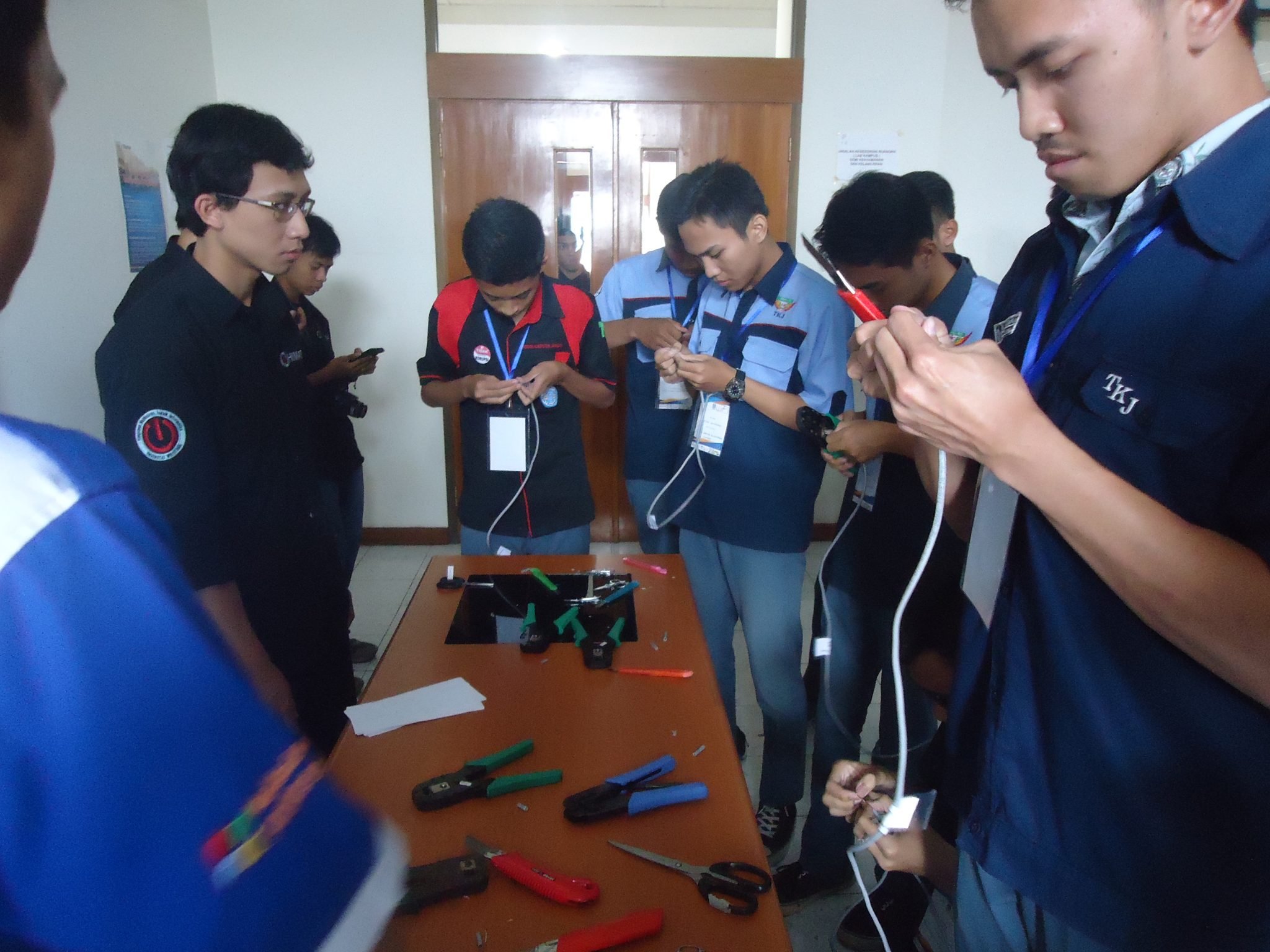
The need for applied competencies that can directly meet the needs of industry is fulfilled by vocational education graduates. The vocational education process emphasizes the development of practice/application rather than theory. Students are given the ability to provide solutions and develop creativity based on individual potential.
Meeting industry needs?
The industry requires human resources who can operate company programs. The adaptation process (probation period) becomes shorter, because vocational education graduates can immediately understand and perform work according to industry needs. The industry requires competency levels ranging from technical, managerial, and practical.
Competitive Human Resources
Vocational education graduates undergo an educational process that adopts an applied approach and is based on industry needs. These graduates undergo competency assessments in accordance with a scheme licensed by the National Professional Certification Agency (BNSP), which is designed to emphasize skill-based approaches and ensure a strong link-match with the relevant industry.
Widyatama University is a state university that offers 5 study programs at the D3 and D4 vocational levels, focusing on preparing human resources in the creative industry and nurturing young entrepreneurs. The creative industry is growing and is greatly needed to support the country’s income through the creative industry sector. The creative industry provides a high level of public space and creativity.
Widyatama University offers vocational programs or diplomas with various competitive advantages, including: